League Of Legends
| Developer | Riot Games |
|---|---|
| Release date | 2009 |
| Genre | Multiplayer Online Battle Arena (MOBA) |
| Team size | 5 players per team |
| Map | Summoner's Rift |
| Match duration | 20 to 50 minutes (typical) |
| Primary objective | Destroy the enemy Nexus |
| Monetization | Free-to-play with cosmetic purchases |
League Of Legends tier list
A League of Legends tier list is a community or analyst-generated ranking that sorts the game's 160+ champions into ordered categories based on their perceived strength within a specific competitive meta. These tiers, typically labeled S, A, B, C, and D, reflect a champion's viability for high-level play, considering factors like damage output, utility, and lane safety. The primary purpose for a tournament context is to inform draft strategy, highlighting which champions are priority picks or bans and which are situational or weak. A tier list is not an absolute authority but a snapshot of the evolving meta shaped by professional play and recent balance patches. For roster managers and analysts, consulting these lists helps in preparing for opponents by anticipating their likely champion preferences and strategic tendencies. Understanding the tier list is fundamental to grasping the strategic layer that exists before a tournament match even begins.
Overview
League of Legends is a multiplayer online battle arena (MOBA) game where two teams of five players compete to destroy the opposing team's Nexus structure. Each player controls a unique champion with a distinct set of abilities, fulfilling one of five primary roles: Top Lane, Jungle, Mid Lane, Bot Lane (Attack Damage Carry), and Support. Match progression is divided into laning, mid-game skirmishing, and late-game teamfighting phases, with objectives like Dragons and Barons providing crucial team-wide advantages. In a tournament bracket, matches are played on a standardized competitive map and format, with teams advancing through wins in a single or double-elimination structure. The game's depth stems from the vast champion roster, intricate item builds, and the constant need for team coordination and map awareness. Success in tournaments demands not only individual mechanical skill but also cohesive team strategy and adaptive draft planning.
What to know
For following a tournament bracket, knowledge of the current meta, the most effective tactics available, is essential, as it dictates champion popularity and overall strategy. The draft phase, where teams alternately pick and ban champions, is a critical preliminary battle that can determine a match's outcome before gameplay starts. Teams construct their roster with players specializing in specific roles, and roster changes can significantly alter a team's strategic identity and synergy. Understanding key objectives is vital; securing elemental Dragons grants permanent team buffs, while the Baron Nashor kill empowers minions for siege pressure. Viewers should note that tournament play operates on a patch version that may be weeks behind the live public server, freezing the meta for competitive integrity. Observing a team's champion pool and their comfort on meta versus off-meta picks provides insight into their potential flexibility and weaknesses in a series.
Common questions
A common question is why certain powerful-seeming champions are rarely picked in professional play, which often relates to their vulnerability to coordinated ganks or their lack of utility in structured teamfights. Viewers often ask about the impact of a specific balance patch on a tournament, noting that pros have limited time to adapt, which can lead to surprises or repeated reliance on older, reliable strategies. Questions arise regarding roster substitutions, which may be tactical for specific matchups or due to illness, but frequent changes typically harm long-term team coordination. Many wonder how teams communicate during a match, as they use noise-cancelling headphones and tournament-specific voice chat, with the shot-caller often being the Jungler or Support. People frequently ask about the difference between regional playstyles, such as the aggressive skirmishing of the LPL versus the methodical macro of the LCK, and how these clash at international events. Another regular inquiry concerns the economic model, as professional teams are funded by organizations through sponsorships, league revenue shares, and ownership investments, not directly by game purchases.
Pros and cons
A significant pro for the competitive scene is its exceptional depth and strategic complexity, offering near-infinite variables in draft and gameplay that reward deep study and team cohesion. The structured, seasonal format of major regional leagues provides consistent viewership schedules and clear pathways to international championships. However, a major con is the game's steep learning curve for new viewers, who can struggle to follow the rapid teamfights and the subtle advantages gained through macro-decisions. The common mistake for organizations is prioritizing individual star players over team synergy, leading to expensive rosters that fail to gel strategically. Players and coaches often regret the intense volatility of the meta, where a single balance patch can invalidate months of practiced strategies and a player's champion specialty overnight. Furthermore, the physical and mental strain on professionals is severe, with burnout from the constant practice schedule and pressure being a frequent career hazard.
Who it suits
This esports title suits viewers who enjoy deep, analytical strategy and long-term narrative arcs following teams and players across seasons and international events. It is ideal for fans who prefer a consistent, league-based structure with regular matches, as opposed to irregular tournament circuits. The game appeals to those with patience for complex setups, appreciating the draft phase and slow map-control buildup as much as explosive teamfight climaxes. Prospective professional players must suit a lifestyle of rigorous, team-dependent practice and possess exceptional adaptability to constantly shifting game dynamics. Organizers and investors looking for a stable, institutionalized esports environment with established leagues and revenue models will find it a structured counterpart to more volatile titles. It is less suited to viewers seeking constant action or simpler mechanics, or to players who thrive solely on individual instinct without commitment to structured team play.
Latest League Of Legends news
Latest reporting
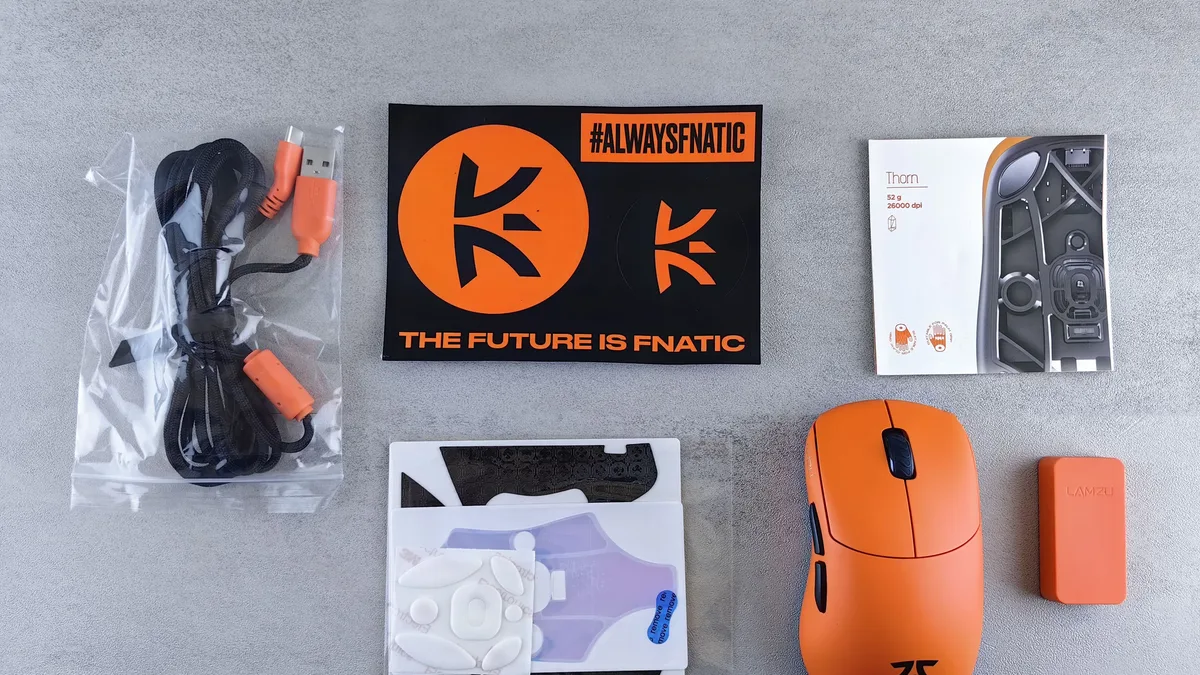
Fnatic ends Worlds, Champions streaks
Fnatic's League of Legends and VALORANT teams both missed qualifying for their 2026 world championships, ending long streaks of appearances.

LCK playoffs decide Worlds 2026 spots
The LCK 2026 playoffs, running from August 29 to September 13, will determine three qualifying teams for the League of Legends World Championship.

LoL Worlds 2026: All 19 Qualified Teams
Nineteen teams from six regions have qualified for the League of Legends 2026 World Championship, which begins on October 15 in Los Angeles.
Super League Renamed Superplanet in $134.6M
Super League Enterprise will become a subsidiary of Tokyo's Metaplanet, which is paying 2,100 bitcoin and cash for a 95.7% stake.
MLBB Rafaela Build Guide
A guide to the best items, emblems, and combos for the Mobile Legends support hero Rafaela, focusing on her healing, revival, and vision abilities.

Mobile Legends Squad Name Guide
A guide to choosing and creating a squad in Mobile Legends: Bang Bang, including name ideas and the costs for premium features.