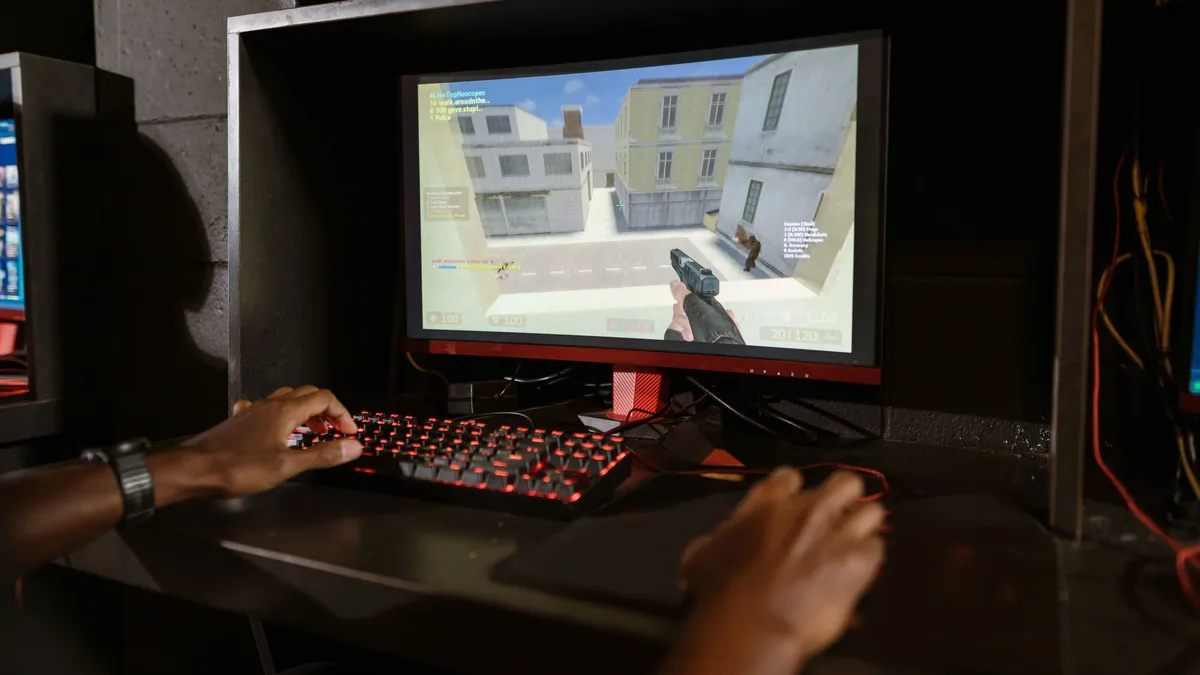
Counter Strike 2
| Game | Counter-Strike 2 |
|---|---|
| Developer | Valve |
| Initial Release | 2023 |
| Genre | Tactical First-Person Shooter |
| Core Game Mode | Bomb Defusal / Hostage Rescue |
| Platforms | Windows, Linux |
| Match Format | 5v5 Competitive |
Counter Strike 2 tier list
Counter Strike 2 occupies the exclusive S-tier for premier esports competition, representing the pinnacle of tactical first-person shooters. Its tier list position is based on its unparalleled legacy, consistent massive viewership, and the stability of its professional ecosystem. The game sits above other tactical shooters due to its pure skill-based gameplay, which lacks hero abilities or randomized elements, creating a perfectly level competitive field. No other title in the genre commands the same global tournament circuit, with consistently full arenas and seven-figure prize pools for major events. Its position is reinforced by a decades-long history of refinement, where gameplay mechanics are polished to an extreme degree. The tier is sustained by a deeply entrenched professional scene where team dynasties and player legacies are built over years, not just seasons.
Overview
Counter Strike 2 is a team-based, round-based tactical first-person shooter where two sides, Terrorists and Counter-Terrorists, compete to complete objectives or eliminate the opposing team. The core gameplay loop involves an economy system where players earn money for round outcomes and kills to purchase weapons, armor, and utility in subsequent rounds. Matches are played on carefully crafted maps with fixed bomb sites or hostage locations, requiring methodical execution of coordinated attacks and defensive setups. The professional format typically features a series of maps played in a best-of-three or best-of-five series, with teams selecting and vetoing maps in a pick/ban phase before the match. Success demands a blend of individual mechanical skill, instant team communication, strategic depth, and in-game economic management. The game is defined by its permanence, with core mechanics remaining consistent across iterations to protect the accumulated skill and strategic knowledge of its player base.
What to know
For following a tournament bracket, understanding map vetoes is crucial, as a team's path through the bracket often hinges on their performance on specific maps they are strong or weak on. Rosters are typically five players, but organizations also employ coaches and analysts who play significant strategic roles during timeouts and in pre-match preparation. The in-game economy is a fundamental narrative of a match, where a force-buy or eco round can swing momentum, making round count less important than financial state. Player roles within a roster are highly specialized, including the In-Game Leader who makes strategic calls, the AWPer who snipes, entry fraggers, and support players. Tournament formats often use a double-elimination bracket for premier events, meaning a loss moves a team to a lower bracket rather than resulting in immediate elimination. The game’s competitive integrity is maintained by sophisticated anti-cheat systems and dedicated server infrastructure, with matches played on standardized, low-latency servers.
Common questions
A common question is why teams sometimes save their weapons instead of attempting to win a round, which is an economic decision to preserve resources for a full buy in the following round. Viewers often ask about the difference between a Major and other tournaments, with Majors being Valve-sponsored pinnacle events featuring the most prestigious trophy, unique player stickers, and a lengthier qualification process. Newcomers frequently question the purpose of smokes and flashbangs beyond obscuring vision, not realizing their advanced use for executing set plays, blocking key sightlines, or faking an attack. People regularly inquire about roster change periods, which are structured around designated transfer windows between major tournament cycles, allowing teams to rebuild. Another frequent question concerns the significance of pistol rounds, which are critical for establishing an early economic advantage and often set the tone for the entire half. Observers also commonly ask how map control is established, which involves using utility and player positioning to deny the enemy information and secure areas of the map safely.
Pros and cons
A significant pro is the game’s unparalleled competitive purity, where victory is determined solely by teamwork, strategy, and mechanical skill without any character-based abilities or luck. The professional scene offers remarkable stability and career longevity for players, with well-defined tournament circuits and organizations. However, a major con is the exceptionally steep learning curve for new players and viewers, as understanding utility lineups, economic strategies, and map callouts requires substantial investment. The game’s community can be notoriously unforgiving to newcomers, and the high-stakes, one-life-per-round nature can lead to intense in-game pressure and toxicity. Teams and players often regret an over-reliance on individual skill or rigid strategies, as adaptability and mid-round calling are essential at the highest level; a common mistake is failing to adapt when a predictable strategy is read by the opposition. Furthermore, the meta can sometimes stagnate around a few dominant maps or CT-sided strategies, leading to repetitive viewing experiences until new counter-strategies are developed.
Who it suits
Counter Strike 2 best suits players and viewers who value deep, strategic gameplay and long-term mastery over fast-paced, chaotic action. It is ideal for those who appreciate team dynamics where precise coordination and role discipline are more important than individual highlight plays. The esports scene appeals to fans who enjoy following sustained team legacies and player careers that develop over many years, akin to traditional sports. It suits organizers and investors looking for a stable, predictable title with a proven track record of high viewership and a mature, global competitive structure. The game is less suited for players seeking constant gameplay updates, hero-based abilities, or a casual, forgiving experience where mistakes are not heavily punished. It is also a poor fit for viewers who prefer constant action, as the tactical nature involves periods of careful setup, information gathering, and utility usage that build tension toward brief, decisive engagements.
Latest Counter Strike 2 news
Latest reporting
M80 Boston Takes Over Call of Duty Franchise
M80 has purchased the Boston Breach franchise, entering the Call of Duty League as M80 Boston. The deal, its biggest yet, adds Call of Duty to a...

G2 Esports Partners with Wizards of the Coast for Rotating Counter-Strike Jersey Sponsorship
G2 Esports has signed a long-term partnership with Wizards of the Coast, featuring a rotating design on its Counter-Strike 2 jersey showcasing...