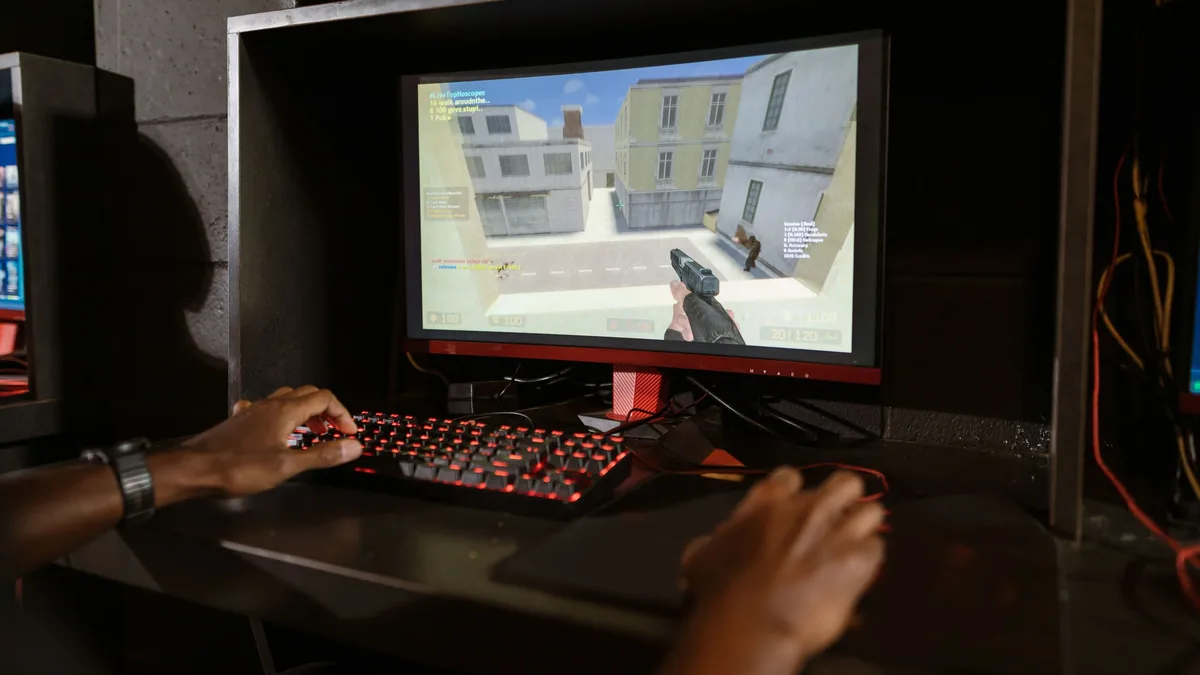
Valorant
| Game Type | Tactical First-Person Shooter |
|---|---|
| Team Size | 5 players per team |
| Primary Objective | Plant/Defuse Spike |
| Round Time | 100 seconds (Attack), 40 seconds (Spike detonation) |
| Match Format | Best of up to 24 rounds (First to 13) |
| Character Type | Agents with unique abilities |
| Economy System | In-round credit-based weapon and ability purchases |
| Maps | Multiple, with specific Attack/Defend spawn points |
Valorant tier list
A Valorant tier list ranks the game's agents based on their perceived strength and utility within the current competitive meta. These lists are created and debated by professional players, coaches, and analysts who assess agent viability at the highest levels of play. The tiers, often labeled S, A, B, and so forth, indicate which agents are considered must-picks, situationally strong, or generally underwhelming for coordinated team play. The primary purpose of such a list is to inform strategic drafting, especially in a tournament bracket context where teams must pre-select their agent compositions. The ranking heavily considers an agent's kit, their synergy within popular team compositions, and their map-specific strengths. It is crucial to understand that these tier lists are dynamic and shift alongside game updates, map pools, and the evolving strategies developed by professional rosters.
Overview
Valorant is a tactical first-person shooter where two teams of five compete to plant or defuse a spike, utilizing a unique cast of characters known as agents. Each agent possesses a defined role, Duelist, Initiator, Controller, or Sentinel, and a set of four distinctive abilities that must be purchased each round alongside weapons. The game's core loop involves economy management, precise gunplay, and the strategic use of these abilities to gain informational or positional advantages. In a tournament setting, the match begins with a pick-and-ban phase where each team selects their agents, often informed by the current tier list and specific map strategy. A roster's proficiency with a deep pool of agents is critical for adapting to opponents and avoiding predictable compositions across a bracket. Success depends not just on individual mechanical skill but on a team's coordinated execution of set plays and adaptive mid-round decision-making.
What to know
For following a tournament bracket, understanding agent roles is fundamental to analyzing a roster's chosen composition and its strategic intent. Duelists are tasked with creating space and securing entry kills, while Initiators set up their team with information-gathering or crowd-control abilities. Controllers use smokes and vision-blockers to cut the map into manageable sections, and Sentinels lock down captured areas and provide defensive utility. A team's agent draft can reveal their planned approach on a given map, such as a fast-execute style or a slower, information-heavy default. Observing which agents a roster consistently plays can indicate their comfort picks and strategic identity, which opposing teams will study and attempt to counter. Furthermore, the in-game economy dictates force-buy and save rounds, directly impacting which and how many abilities a team can afford, thereby influencing the effective power of their chosen agents.
Common questions
Viewers often ask why professional teams sometimes select an agent ranked low on community tier lists, which usually relates to a specific player's unmatched expertise or a novel tactical innovation. Another frequent question concerns how a single agent can be considered top-tier on one tournament map but weak on another, which is due to how map geometry interacts with an agent's ability ranges and placements. People also inquire about the impact of new agent releases or major balance patches on the competitive meta, which can abruptly reshape the tier list and force rosters to adapt their practiced strategies. Questions arise regarding the difference between an agent's strength in solo queue versus professional play, highlighting how coordinated teamplay maximizes some kits while diminishing others. Many wonder about the pick-and-ban process, specifically whether teams can see the opponent's selections in real time, which they can, leading to potential counter-picks. Finally, audiences commonly ask how a roster recovers from falling behind in the economy, which involves strategic saving rounds to accumulate credits for full buys of weapons and abilities.
Pros and cons
A significant pro of Valorant as an esport is its high strategic depth, where meticulously planned utility usage and team coordination can overcome a raw mechanical skill deficit, leading to compelling and cerebral matches. The clear agent roles and visual clarity of abilities also make the game relatively accessible for new viewers to follow the broad strokes of team strategy. A major con, however, is the potential for meta stagnation, where a single overpowered agent or composition can dominate the professional scene for months until a balance patch addresses it, reducing agent diversity. Teams and players who over-rely on a currently powerful agent often regret it when that agent receives significant nerfs, forcing a difficult and public period of relearning. The common mistake for aspiring competitive rosters is to blindly copy the agent tier list without developing the necessary team coordination to execute the compositions effectively, leading to disjointed play. Furthermore, the game's reliance on precise first-shot accuracy can sometimes lead to rounds or entire matches feeling decided by unpredictable, instantaneous headshots, which can frustrate viewers seeking purely strategic outcomes.
Who it suits
This esports title best suits viewers who enjoy slow-burn, strategic gameplay interspersed with moments of high-intensity mechanical skill, similar to traditional sports like baseball or cricket. It is ideal for analysts and students of game theory who appreciate dissecting pre-round setups, adaptive mid-round calls, and the psychological warfare of agent selection in the draft. The tournament structure suits fans who prefer following a specific roster's journey and growth through a bracket, watching them adapt their agent pool and strategies from match to match. It also appeals to those with an interest in character-based gameplay, who enjoy tracking how individual player specialties on particular agents become pivotal assets for their team. The defined roles provide clear narratives for broadcasters and fans, such as a star Duelist carrying a match or a supportive Sentinel player making game-changing defensive holds. Ultimately, Valorant esports caters to an audience that values deep preparation and team synergy as much as, or more than, the spectacle of individual highlight plays.
Latest Valorant news
Latest reporting
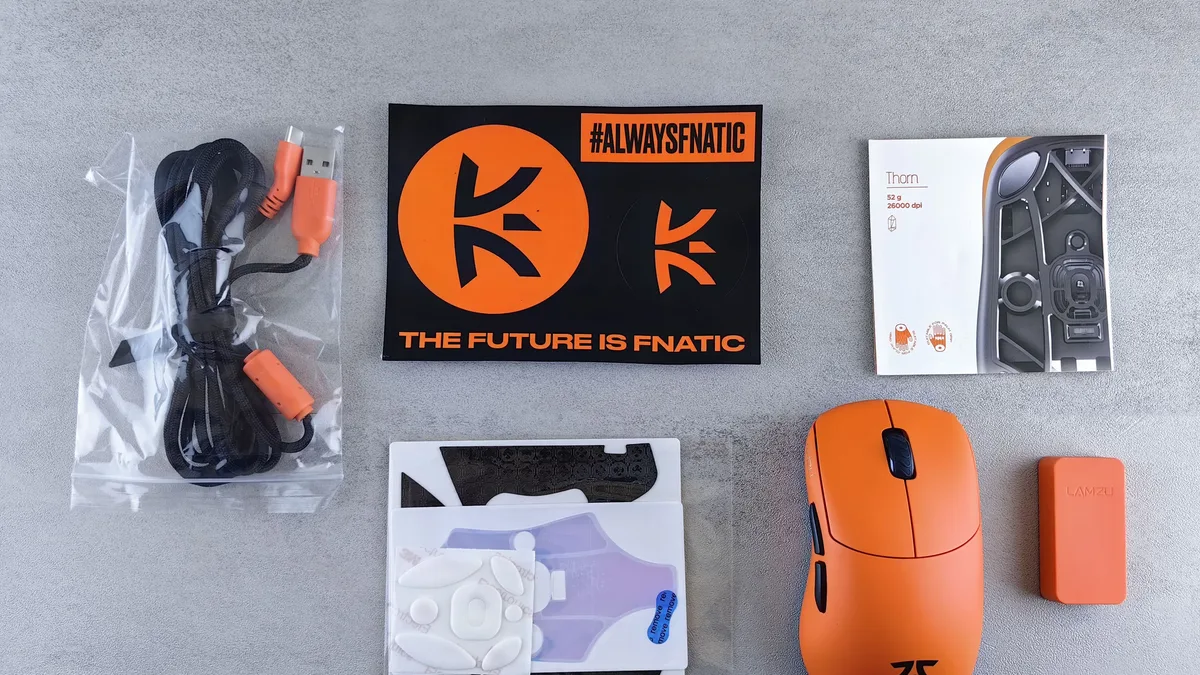
Fnatic ends Worlds, Champions streaks
Fnatic's League of Legends and VALORANT teams both missed qualifying for their 2026 world championships, ending long streaks of appearances.

Karmine Corp Win VCT EMEA Stage 2 2026
Karmine Corp beat Team Liquid 3-1 to win VCT EMEA Stage 2, securing the top seed for VALORANT Champions 2026 after a winless Stage 1.

VALORANT Secure Boot error fix guide
A guide on fixing the VALORANT Secure Boot error that stops the game from launching when Riot Vanguard's security requirements are not met.
M80 Boston Takes Over Call of Duty Franchise
M80 has purchased the Boston Breach franchise, entering the Call of Duty League as M80 Boston. The deal, its biggest yet, adds Call of Duty to a...

VALORANT Champions 2026
VALORANT Champions 2026 will take place in Shanghai, China, from Sep. 24 to Oct. 18, with 16 teams competing for a reported $2.25 million prize pool
VALORANT Knife Skins: A Comprehensive List and How to Get Them
VALORANT's knife skins are a great way to personalize your gameplay and show off your style. With over 100 skins available, we've compiled a list of...