Idaho State University Opens Dedicated Esports Arena
Idaho State University has opened its new Direct Communications Esports Arena, a $520,000 facility.

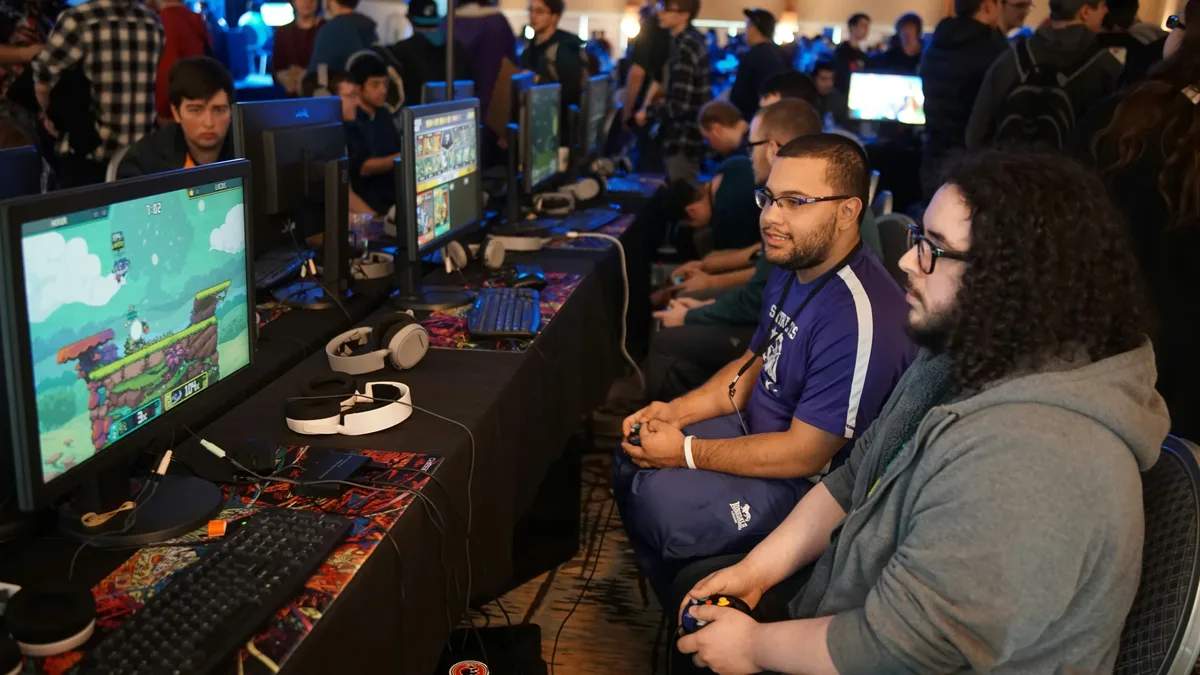
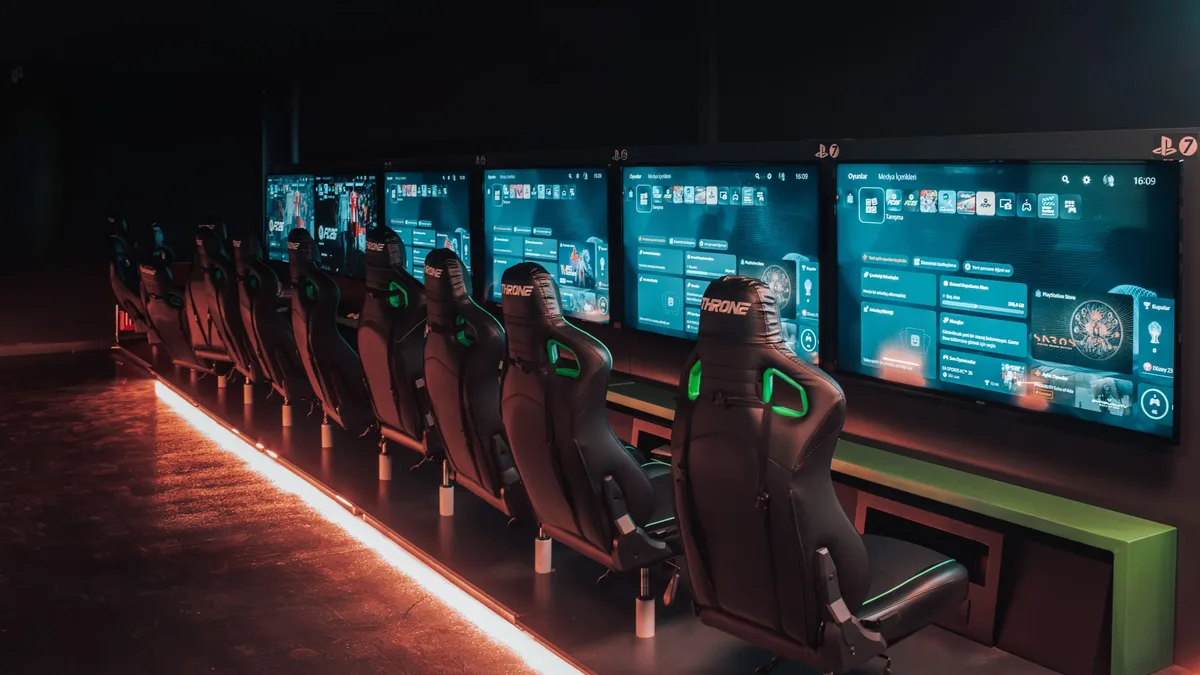
Idaho State University opened its Direct Communications Esports Arena on September 29. The $520,000 facility, made possible by a donation from Direct Communications, moves the varsity program from a basement to a dedicated first-floor space in the Pond Student Union Building in Pocatello, located next to Chick-fil-A. The arena was unveiled by lowering a curtain that had been hiding rows of computers and brightly lit screens. It features more than 30 computer setups and a TV station equipped with an Xbox Series X, Nintendo Switch, and PlayStation 5. The space provides more room for teams to practice together and serves as a base for live broadcasts on the Idaho State Esports Twitch channel. Planned Open Play hours will later extend access to non-varsity students.
Program growth and competitive standing
The esports program has grown from three varsity teams in 2024 to five. Its inaugural teams competed in Overwatch, Rocket League, and VALORANT. The current line-up now also includes Super Smash Bros and Call of Duty. ISU competes against 10 other teams in the Big Sky Conference, a collegiate esports program that emerged at the same time as ISU's own. The university's teams have seen early competitive success.
Head Coach Charles Johnston said the Rocket League squad is committed to defending its back-to-back Big Sky Championship title.
Broadcasting and community engagement
Live games are scheduled Monday through Thursday from 6 p.m. to 8 p.m., and visitors are welcome to watch from the arena. The university has placed a bid to host the upcoming Big Sky Championship. Program leadership states the arena will also host high school and collegiate tournaments. They see the facility as a major beacon for recruiting top-level gaming students and a way to bring the community together.
Leadership vision and student development
The shift to the new arena enables a more collaborative setup for players to practice alongside teammates and review gameplay footage. Planning the space took about a year and a half. Broadcasting coordinator Daniel Sheldon said the facility’s production capabilities put ISU’s output close to established programmes in the Northwest, including Boise State. Head Coach Charles Johnston stated the collegiate-to-professional pipeline in Big Sky esports is not yet well established, but the goal is to build ISU into a reputable program that can feed players into professional leagues.
Sheldon emphasized the development of transferable skills. Players learn communication in high-pressure situations and teamwork, soft skills valued by employers. Many students in the program already have hard skills in computers, coding, software engineering, and computer sciences. Combining these creates more well-rounded students. For Johnston, the number one pillar of team culture is joy, and the reason the team exists is the love of the game.
Future access and inclusivity
Looking beyond varsity competition, ISU plans to introduce Open Play for non-varsity students in 2027. The aim is to expand access to students across all disciplines during designated hours. The new arena is expected to support teams as they continue to practice and compete while broadening participation across campus. ISU plans to introduce Open Play for non-varsity students in 2027 to expand access across disciplines.